

Author: Emily Spillman
Nurse | Women’s Health & Fitness Coach
Abstract
Vaginal dryness is one of the most common symptoms experienced by women during menopause, yet it remains under-recognised and undertreated. More importantly, many women are unaware that vaginal dryness and bladder symptoms—including urgency, frequency, recurrent urinary tract infections (UTIs) and incontinence—are often linked through the same underlying hormonal changes.
These symptoms form part of Genitourinary Syndrome of the Menopause (GSM), a chronic and progressive condition driven by declining oestrogen levels. Despite affecting up to 70% of postmenopausal women, GSM remains significantly underdiagnosed, with many women never seeking help and many clinicians failing to ask about symptoms.
This article explores the clinical evidence behind GSM, the often-overlooked relationship between vaginal and bladder health, and why a more human, accessible approach to women’s health education is long overdue.
Introduction
My approach isn’t conventional.
And it’s definitely not always what people would call “professional”.
But it is relatable.
Because here’s what I’ve learned: women’s health has often been delivered in a way that feels:
- clinical
- overwhelming
- and, ironically… a bit dry
And honestly? Women don’t need more cognitive load.
We need honesty.
We need clarity.
And we need conversations that actually feel safe to be part of.
I remember chatting to an HR manager after delivering a workshop, and she told me it was refreshing to hear something that didn’t feel like another dry presentation.
I smiled and replied:
“Yeah… I don’t do dry presentations. I do dry vaginas though.”
If you’re currently snorting your tea, perfect.
Because that’s exactly the point.
Humour doesn’t trivialise women’s health.
It opens the door to conversations we’ve been avoiding for far too long.
Why This Matters
When we laugh, we relax.
And when we relax, we actually listen.
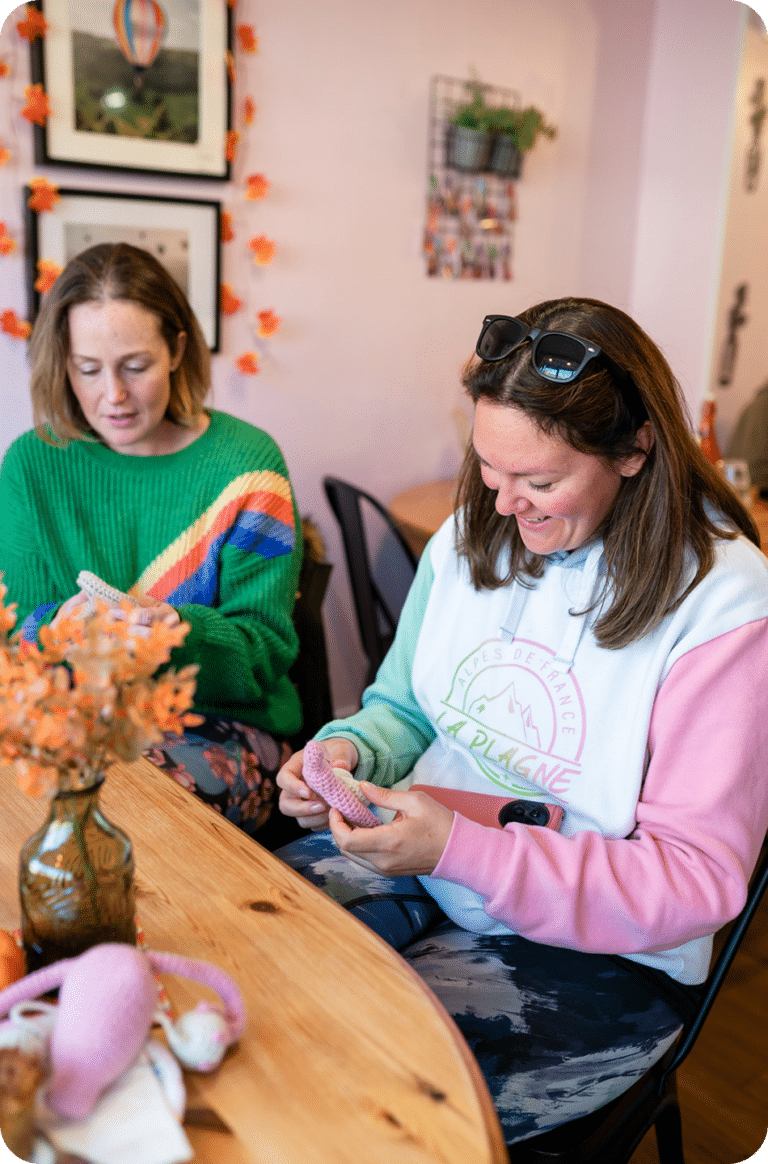
That’s the thinking behind Fannies & Flapjacks: community workshops where women talk about health in cafés, gyms and community spaces.
Not lecture theatres. Not death-by-PowerPoint.
Not environments that make women feel like they need a medical degree just to understand their own body.
Just real conversations in safe spaces, with evidence, compassion and a bit of humour.
Because if we can’t say the word vagina out loud, we’re never going to fix the bigger problem.
You can book your spot at our next event via our Eventbrite page or you can book a personalised workshop at your gym, community or workspace.
Vaginal Dryness and Incontinence Are Often Connected
Here’s the bit many women are never told: Vaginal dryness isn’t just about sex.
And it isn’t just about the vagina.
The vagina, vulva, urethra and bladder all contain oestrogen receptors. As oestrogen levels decline during menopause, these tissues become thinner, less elastic and less resilient.¹
This means hormonal changes may show up as:
- vaginal dryness
- itching, burning or irritation
- pain during sex
- urinary urgency
- increased frequency of urination
- recurrent UTIs
- bladder leakage or incontinence
Many women seek help for bladder symptoms without realising that the underlying issue may be hormonal.
In fact, bladder symptoms and vaginal symptoms are often different expressions of the same condition:
Genitourinary Syndrome of the Menopause (GSM).
That’s the best-kept secret we need to start talking about.
What Is Genitourinary Syndrome of the Menopause?
GSM is the term used to describe a collection of symptoms affecting the genital and urinary systems due to reduced oestrogen levels.
Unlike hot flushes, which may improve over time, GSM is:
- chronic
- progressive
- unlikely to resolve without treatment¹
Symptoms can include:
Vaginal symptoms
- dryness
- burning
- irritation
- reduced lubrication
Sexual symptoms
- pain during sex
- reduced arousal
- changes in orgasm
Urinary symptoms
- urgency
- frequency
- recurrent UTIs
- bladder leakage and incontinence¹
This is why women often present with symptoms that seem unrelated, but are actually part of the same picture.
The Statistics That Should Make Us Pause
Let’s take this out of opinion and into evidence.
Research suggests:
- Up to 70% of postmenopausal women experience symptoms of GSM¹
- Only a small proportion receive treatment¹
- Many women never discuss symptoms with a healthcare professional¹
- Around 70% of clinicians report rarely or never asking about vaginal dryness¹
So this isn’t a rare condition.
It’s a communication failure.
When nobody asks, and nobody tells, women assume symptoms are simply part of ageing.
They aren’t.
Incontinence:
Bladder leakage affects millions of women.
Yet many are told it’s “just part of getting older”, “what happens after babies” or something to simply manage.
But here’s what we know:
Oestrogen supports the health of tissues within the urethra and bladder. When levels decline, the urinary tract can become more vulnerable to irritation, urgency and leakage.¹
That doesn’t mean every case of incontinence is hormonal.
Pelvic floor function, childbirth history, surgery, bowel health, chronic coughing, physical activity and strength all play a role.
But for many women in midlife, hormones are an important piece of the puzzle that is often overlooked.
Urinary Tract Infections (UTIs):
This is something I see all the time.
Women stuck in a cycle of:
- antibiotics
- recurrent infections
- frustration
- and no one joining the dots
Declining oestrogen changes the vaginal microbiome and urinary tract tissues, increasing susceptibility to infection.¹
Evidence supports the use of vaginal oestrogen in reducing recurrent UTIs in postmenopausal women. A 2023 study demonstrated significant reductions in UTI frequency following treatment.²
Like 50% reduction, so if you are struggling with recurring
Prolapse:
Pelvic organ prolapse is another commonly under-discussed symptom linked to menopause and genitourinary changes.
It occurs when one or more pelvic organs—such as the bladder, uterus or bowel—descend from their usual position due to changes in pelvic support structures.
The same hormonal shifts that contribute to vaginal dryness and bladder symptoms can also affect connective tissue integrity within the pelvis. As oestrogen levels decline, tissues may become less elastic and supportive, which can contribute to symptoms such as heaviness, dragging sensations, or a feeling of pressure.
Common experiences include:
- a sense of pelvic heaviness or pressure
- urinary symptoms such as urgency or incomplete emptying
- a visible or felt bulge in more advanced cases
Importantly, prolapse is often under-recognised and doesn’t always match how someone feels symptomatically. Even mild changes on examination can feel significant in daily life.
Like other GSM-related symptoms, prolapse is influenced by multiple factors, including hormonal changes, connective tissue health, pressure management, and physical strength—not just ageing alone.
Vaginal oestrogen
For many women, vaginal oestrogen is considered first-line treatment for GSM and can:
- restore vaginal and urethral tissue health
- improve lubrication and elasticity
- reduce urinary urgency and frequency
- support bladder function
- reduce recurrent UTIs and irritation¹
It works locally on oestrogen receptors within the vaginal and lower urinary tract tissues including pelvic floor muscles.
Moisturisers and lubricants
For women who cannot or prefer not to use hormonal treatments, vaginal moisturisers and lubricants can also play an important role.
- Moisturisers are used regularly to support hydration of vaginal tissues
- Lubricants are used at the time of sexual activity to reduce friction and discomfort
While they do not reverse underlying tissue changes, they can significantly improve comfort and quality of life.
Other medical options
Another emerging treatment option is vaginal DHEA (prasterone), which is converted locally within vaginal tissues into active sex hormones. It has been shown to improve symptoms of vaginal dryness and painful intercourse in some women, particularly where oestrogen therapy is not suitable or preferred.
But we also need to zoom out.
Because in real life, pelvic health isn’t just about one treatment.
It’s influenced by:
- movement and exercise
- breathing mechanics
- pelvic floor function
- bowel health
- stress and the nervous system
- overall strength and physical activity
This is where a whole-woman approach really matters.
Conclusion
Vaginal dryness, bladder symptoms and incontinence affect millions of women, yet too many continue to suffer in silence—assuming these changes are simply part of ageing or something they must learn to live with.
They aren’t.
The evidence is clear: there are effective treatments, support and strategies available. But change starts with conversation.
Because when women understand their bodies, they are better equipped to advocate for their health, seek support and make informed choices.
That’s exactly why I created Fannies & Flapjacks: to bring women’s health out of the clinic and into welcoming spaces where honest conversations can happen over coffee, community and, of course, flapjacks.
If you’d like to attend a Fannies & Flapjacks event, host one in your community, or book an engaging women’s health workshop for your workplace, get in touch. Together, we can make conversations about menopause, pelvic health and bladder symptoms feel a little less taboo, and a lot more empowering.
References
- British Society for Sexual Medicine (BSSM). Position Statement for the Management of Genitourinary Syndrome of the Menopause (GSM). 2023.
- Tan-Kim J, et al. Vaginal estrogen effective against recurrent urinary tract infections in postmenopausal women. American Journal of Obstetrics and Gynecology. 2023.