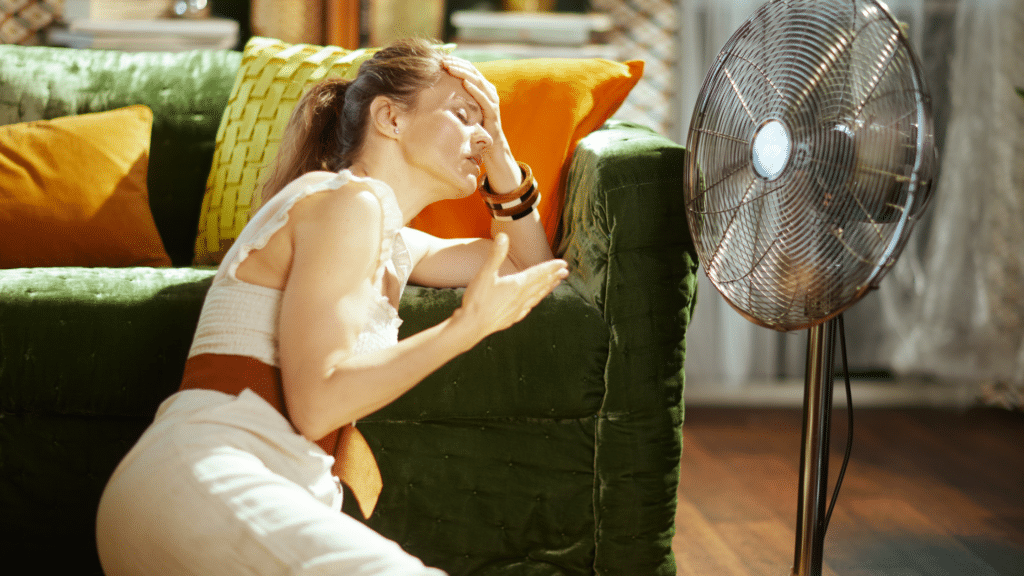
5 Reasons Your Pelvic Health Symptoms May Worsen During a Heatwave
1. Dehydration Can Irritate Your Bladder
When you’re dehydrated, your urine becomes more concentrated.
Concentrated urine can irritate the bladder lining, which may result in:
- Increased urgency
- More frequent trips to the toilet
- A more sensitive bladder
- Greater awareness of bladder symptoms
Even mild dehydration can have an impact, so waiting until you’re very thirsty isn’t ideal.
2. Dehydration Can Worsen Constipation
Your bowel loves consistency, and hydration plays a key role.
If you’re not drinking enough, stools can become harder and more difficult to pass.
Constipation can:
- Take up space in the pelvis and reduce bladder capacity
- Increase urgency and frequency
- Lead to straining
- Increase pressure on the pelvic floor
- Make prolapse symptoms feel worse
The bladder and bowel are close neighbours, so when one is unhappy, the other often notices.
3. Drinking More Naturally Means More Wee
During hot weather, we rightly focus on drinking more fluids.
However, more fluid intake generally means more urine production.
Sometimes people become concerned that they’re needing the toilet more often and assume something is wrong. In many cases, this is simply a normal response to the increase in fluid intake.
The key is finding a balance between staying hydrated and avoiding large volumes of fluid in one go.
4. Summer Drinks Can Be Bladder Irritants
Hot weather often changes what we drink.
You may find yourself reaching for:
- Iced coffee
- Fizzy drinks
- Energy drinks
- Alcohol
- Citrus-based beverages
For some people, these drinks can irritate the bladder and increase symptoms such as urgency, frequency, and leakage.
This doesn’t mean you can never enjoy them, but if you’ve noticed an increase in symptoms, it may be worth looking at whether any summer favourites are contributing.
5. Changes in Routine and Increased Stress Can Affect Bladder Symptoms
Heatwaves often mean changes to our normal routines.
Perhaps you’re:
- Out of the house more
- Travelling
- Looking after children during school holidays
- Hosting family and friends
- Trying to juggle work, childcare, and the heat
These changes can alter your bladder habits. You might:
- Hold on longer because a toilet isn’t immediately available
- Start doing “just in case” wees
- Drink inconsistently throughout the day
- Become less aware of your normal toileting routine
For many people, there is also an element of increased stress and mental load. If the children are home for the holidays, routines are disrupted, or you’re feeling overwhelmed by the heat from a sensory perspective, you may notice your urgency symptoms become more noticeable.
The bladder and nervous system are closely connected. When we’re stressed, anxious, or feeling under pressure, the bladder can become more sensitive, leading to:
- Increased urgency
- More frequent toilet trips
- Greater awareness of bladder sensation
Top Tips for Looking After Your Pelvic Health in the Heat
I want to stress that while these interventions can help, if you are peri-post menopausal or postnatal then your symptoms could be driven by low oestrogen and while these interventions are still important, you need to replace the oestrogen and a June 2026 study in Urology analysed over 1.8 million women and found that those prescribed vaginal oestrogen had a significantly lower risk of sepsis and mortality when dealing with recurrent urinary tract infections.
Read more about vaginal health and incontinence in our blog
 Stay Consistently Hydrated
Rather than drinking large amounts all at once, try to sip fluids regularly throughout the day.
This helps maintain hydration levels and keeps urine less concentrated.
🍑 Look After Your Bowels
Supporting bowel health is one of the best things you can do for your pelvic floor.
Try to:
- Stay hydrated
- Eat fibre-rich foods
- Stay physically active where possible
- Respond to the urge to open your bowels
🚻 Stick to Healthy Bladder Habits
Avoid swinging between holding on for hours and doing frequent “just in case” wees.
Aim for a comfortable, regular toileting pattern.
 Be Aware of Potential Bladder Irritants
If symptoms have flared, consider whether these following drinks are playing a role:
- Caffeine
- Alcohol
- Fizzy drinks
- Highly acidic drinks
You don’t necessarily need to eliminate them completely, but becoming aware of patterns can be helpful.
 Choose Breathable Underwear and Clothing
Hot weather creates a warm, moist environment around the vulval and perineal area.
Non-breathable fabrics, tight clothing, and staying in damp gym wear or swimwear for long periods can contribute to:
- Skin irritation
- Chafing
- Vulval discomfort
- Increased awareness of pelvic symptoms
- Discomfort if you’re managing leakage
Choosing breathable fabrics such as cotton and changing out of damp clothing promptly can help keep the area comfortable and healthy. If you are using incontinence pads, try using ones with zero fragrance and heavy bleaches and chemicals.
 Elevate Swollen Legs and Feet if Needed
If, like me, you notice your ankles swelling during hot weather, gentle movement, elevating your legs when possible, use light compression hosiery and avoiding long periods of sitting or standing may help.
Just remember that some of that fluid may return to your circulation overnight, which can contribute to needing to pass urine more frequently at night.
Final Thoughts
If your pelvic health symptoms have worsened during a heatwave, you are not alone.
Hot weather places extra demands on the body. Changes in hydration, bowel habits, fluid balance, routine, and bladder irritants can all influence how your symptoms feel.
Most importantly, a symptom flare-up during a heatwave does not mean you’ve failed, gone backwards, or undone all your hard work.
Sometimes the challenge isn’t doing more, it’s recognising what’s changed, adjusting where you can, and giving yourself a bit of grace when circumstances are outside your control.
A temporary increase in symptoms is just that: temporary.